






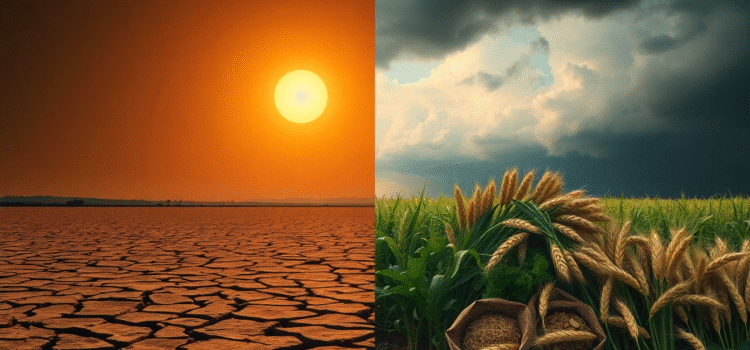
Climate Crisis Drives Global Food Prices Up by 20% as Extreme Weather Impacts Harvests
Introduction
As the world grapples with an evolving climate reality, the effects on agricultural outputs have become starkly evident. Currently, global food prices have surged by a staggering 20%, a direct consequence of the climate crisis. This inflation is largely driven by extreme weather patterns that have severely impacted harvests globally. From devastating droughts to unprecedented flooding, the agricultural sector faces an existential challenge. This post delves into the intricate web connecting global food inflation to climate change, examining the impact of extreme weather on agriculture, and what this means for our future food supply.
The Impact of Extreme Weather on Agriculture
The climate crisis is manifesting through increased incidents of extreme weather, significantly affecting agriculture. In key regions such as the Midwestern United States and parts of Europe, persistent droughts have resulted in a 15% reduction in crop yields. This has not only disrupted the local economies but also had ripple effects on the global supply chain.
Global Food Price Increase Due to Harvest Losses
In South Asia, severe flooding has reduced rice production by 10%, causing significant spikes in commodity prices. According to the United Nations Food and Agriculture Organization (FAO), there has been a 13% decline in overall agricultural productivity. This marks one of the most severe disruptions in recent history, pushing consumer prices for staples like wheat, corn, and soy to unprecedented heights.
Rising Food Costs from Extreme Weather
Farmers worldwide are grappling with increased input costs, which have risen by 18%. This rise is attributed to the need for more irrigation and climate-resilient seeds. As these added expenses translate to higher consumer prices, food insecurity becomes a pressing concern globally. The challenges are daunting, yet addressing them is more vital than ever.
Strategies to Mitigate Climate Change’s Impact on Food Supply
- Investing in agricultural research to develop more resilient crop varieties.
- Implementing sustainable farming practices to conserve water and soil.
- Enhancing global cooperation to improve food security networks.
- Leveraging technology to predict and prepare for extreme weather events.
Conclusion
The climate crisis’s adverse effects on agriculture are undeniable and continue to exacerbate global food insecurity. As food prices rise, driven by climate-induced harvest losses, the need for immediate action becomes critical. Collective efforts towards sustainable agricultural practices and innovative solutions are imperative to mitigate these impacts. I invite you to engage in the comments below, contributing insights or strategies that can help in addressing this unprecedented challenge.
Sources
FAQ
What is the climate crisis impact on food prices? The climate crisis has driven global food prices up by 20% due to extreme weather events affecting agricultural productivity.
How does global food inflation relate to climate change? Climate change leads to extreme weather, which disrupts harvests and increases production costs, driving food inflation.
What are the economic effects of climate crisis on food? The economic effects include increased consumer prices, higher input costs for farmers, and a strain on global food security.
How can the impact of climate change on global harvests be mitigated? Mitigation can be achieved through sustainable farming practices, resilient crop varieties, and technological advancements in weather prediction.
Comments