





Alaska Airlines Grounds All Flights at FAA Request Amid System-Wide Issue
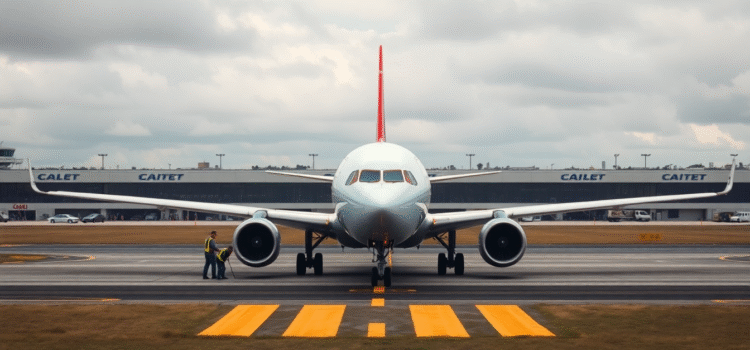
The aviation industry was thrust into turmoil when Alaska Airlines, a major U.S. carrier, grounded all of its flights at the behest of the Federal Aviation Administration (FAA). This unprecedented action was taken in response to a system-wide technical issue, serving as a stark reminder of the vulnerabilities that modern airlines face in an increasingly digitized world. In this article, l will explore the details surrounding the grounding, its impact on operations and passengers, and the wider implications for the airline industry.
Understanding the FAA’s Request for Flight Grounding
On an unspecified date, the FAA issued a request for Alaska Airlines to ground all its operations due to a major technical malfunction. The specifics of the issue remain undisclosed; however, the grounding is a clear indicator of a severe system-wide problem that had the potential to jeopardize safety protocols. The FAA’s intervention underscores its ongoing commitment to maintaining stringent safety standards in air traffic control operations.
Impact on Alaska Airlines’ Operations and Passengers
The grounding caused significant disruption to Alaska Airlines’ flight schedules, affecting a large number of flights and passengers. Estimates suggest that thousands of travelers were impacted, facing delays, cancellations, and uncertainty about their travel plans. The airline’s crew and customer service teams worked tirelessly to address passenger concerns and manage rescheduling.
- Flight cancellations led to a cascade of logistical challenges.
- Passenger services were swamped with inquiries and rebooking requests.
- Alaska Airlines’ reputation was put to the test as it managed public relations amid the crisis.
Aviation Industry’s Response to the System-Wide Issue
The grounding of flights at the FAA’s request highlighted the delicate balance between technological reliance and operational stability. The aviation industry, which has increasingly integrated technology into its core processes, must continuously update and monitor these systems for any vulnerabilities. In light of these events, Alaska Airlines and other carriers are expected to re-evaluate their emergency protocols and system redundancies to prevent future occurrences.
Conclusion: Looking Ahead
The incident with Alaska Airlines serves as a cautionary tale for the aviation industry. As airlines continue to rely heavily on complex IT systems, the potential for disruption remains an ever-present challenge. This case underlines the importance of collaboration between airlines and regulatory bodies to swiftly address any systemic vulnerabilities. Readers affected by the travel disruption are encouraged to share their experiences and thoughts in the comments section below or engage in dialogues about safety measures in modern aviation.
Sources
For more details and updates on this situation, you may refer to the following resources:
Frequently Asked Questions
What caused the Alaska Airlines flight cancellations?
Alaska Airlines grounded their flights following an FAA request due to a system-wide technical issue.
How many passengers were impacted by the Alaska Airlines system outage?
The exact number is undisclosed, but significant numbers were affected, as estimates suggest thousands faced delays or cancellations.
What protocols do airlines have in place for emergencies like this?
Airlines have emergency protocols for rapid response, which include collaboration with the FAA to ensure safety and re-evaluation of system redundancies.
What is the FAA’s role in aviation safety?
The FAA oversees and enforces regulations to maintain air traffic safety standards and can intervene in airline operations when necessary for safety reasons.
How long did the flight grounding last?
The duration of the grounding was contingent on resolving and verifying the affected systems, although specific timelines were not provided.
Comments