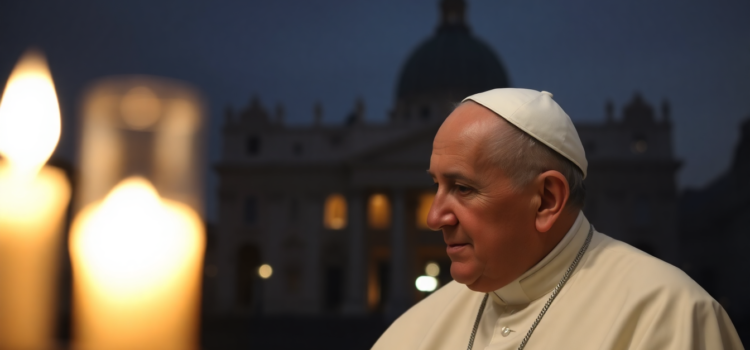




Pope Francis Dies at 88: Stroke and Heart Failure Cause

Pope Francis Dies at 88: Stroke and Heart Failure Cause

The world mourns as the Vatican announced the death of Pope Francis at the age of 88 on April 21, 2025. The late pontiff, who served the Catholic Church with humility and vision, succumbed to a cerebral stroke leading to a coma and irreversible heart failure. Dive into this post to understand his final days, the future of the Catholic Church, and the legacy he leaves behind.

Pope Francis Health Issues and Final Days

Pope Francis faced a series of health challenges throughout his lifetime, including chronic lung disease, arterial hypertension, type II diabetes, and previous pulmonary complications. In his youth, he had part of his lung removed. His recent hospitalization for 38 days due to double pneumonia marked the longest of his 12-year papacy. After returning to lighter duties, he made his last public appearance on Easter Sunday, blessing thousands in St. Peter’s Square.

Pope Francis Last Public Appearance

Vatican’s Statement on Pope’s Death

The Vatican’s official death certificate confirmed Pope Francis passed away at 7:35 a.m. Vatican time. His death was registered through electrocardiographic thanatography. Dr. Andrea Arcangeli, the Vatican’s chief physician, detailed the official cause: a cerebral stroke followed by a coma, leading to irreversible cardiocirculatory collapse.

Pope Francis Funeral Arrangements

In line with his wishes for simplicity, Pope Francis requested an underground burial at St Mary Major Basilica. He preferred a plain tomb, avoiding an elevated bier. A public viewing in St. Peter’s Basilica will commence following the cardinals’ confirmation of arrangements.

  • Burial place: St Mary Major Basilica
  • Public viewing: St. Peter’s Basilica
  • Avoidance of an elevated bier

Pope Francis Legacy and Impact

Pope Francis, the first Latin American pontiff, was known for his advocacy for the poor and a reformist vision. His approach resonated with millions worldwide, influencing modern Catholicism during his 12-year tenure. The Catholic Church now faces significant transitions in leadership, impacting its global influence and internal policies.

Impact on Catholic Church Future

The global conclave will soon convene to elect the next pope. This decision will be pivotal in shaping the church’s trajectory, following the progressive reforms championed by Pope Francis. The transition also poses a moment to reflect on his profound contributions to the faith.

Conclusion

Pope Francis’s passing marks the end of a transformative era in the Catholic Church. His dedication to humility and social justice has left an indelible mark on his followers and admirers. As the faithful prepare for his funeral and the coming conclave, the world contemplates his enduring legacy and how the Church will honor his mission.

Call-to-Action

Join the conversation and share your thoughts on Pope Francis’s legacy. Subscribe to our newsletter for updates on the Catholic Church’s leadership changes and the global conclave’s decisions.


Pope Francis Dies at 88: Reflecting on His Legacy and the Vatican’s Mourning


Pope Francis Dies at 88: Reflecting on His Legacy and the Vatican’s Mourning

The Catholic Church is mourning the loss of Pope Francis, who passed away at the age of 88. The Vatican has confirmed his demise was due to a cerebral stroke that resulted in an irreversible cardiocirculatory collapse. As the world reacts to this profound loss, l delve into the pivotal moments throughout Pope Francis’ papacy and consider the impact of his legacy on the faithful worldwide.

Vatican Confirms Pope Francis Died of Cerebral Stroke

At 7:35 a.m. local time on Monday, April 21, 2025, Pope Francis passed away in his apartment at Domus Sanctae Marthae, Vatican City. His death certificate details reveal that a cerebral stroke caused him to fall into a coma, followed by heart failure, sealing the fate of one of the most beloved pontiffs in recent history.

Pope Francis

Pope Francis’ Final Public Appearance on Easter Sunday

On Easter Sunday, April 21, 2025, Pope Francis made his last public appearance in St. Peter’s Square, offering his final blessing to the faithful. His enduring spirit shone through, even as he battled multiple health issues, including his recent hospitalization for pneumonia.

Pope Francis’ Health History and Long Battle with Illness

Pope Francis had faced numerous health challenges throughout his life, including chronic lung disease, high blood pressure, and Type II diabetes. His health history was further complicated by a significant hospitalization for pneumonia, marking the longest stay of his papacy at Gemelli Hospital in Rome.

Funeral Arrangements in Vatican City

Pope Francis requested to be laid to rest in St. Mary Major Basilica. However, the Vatican will first display his body in St. Peter’s Basilica, allowing the public to pay their respects. The Catholic Church transition post-Francis’ death will eventually lead to the College of Cardinals convening for the selection of the next pope.

Reflect on Pope Francis’ legacy and share your thoughts on his impact on the Catholic Church.

Read more about his health journey

Conclusion

Pope Francis’ death marks the end of a pivotal era for the Catholic Church. His deep compassion, dedication to social justice, and profound humility have left an indelible mark on millions across the globe. As Catholics and world leaders alike reflect on his life and enduring message, the anticipation grows for the Catholic Church’s next chapter.

Engage with this moment by sharing your memories of Pope Francis or offering condolences in the comments below.

FAQ

What was the cause of Pope Francis’ death?

Pope Francis died due to a cerebral stroke that led to a coma and irreversible cardiocirculatory collapse.

When did Pope Francis die?

Pope Francis died at 7:35 a.m. local time on Monday, April 21, 2025.

Where will Pope Francis be buried?

He expressed a desire to be buried in St. Mary Major Basilica, but his body will first be displayed in St. Peter’s Basilica for public viewing.


Pope Francis Dies at 88; Cause: Stroke and Heart Failure

Pope Francis Dies at 88; Cause: Stroke and Heart Failure

In a somber moment for millions across the globe, Pope Francis passed away on Easter Monday, April 21, 2025. His passing marks the end of a deeply impactful papacy that spanned over a decade. According to Dr. Andrea Arcangeli, the Director of the Directorate of Health and Hygiene of the Vatican City State, the revered pontiff’s death resulted from a cerebral stroke that led to a coma and irreversible cardiocirculatory collapse. Pope Francis died at 7:35 a.m. local time at his residence in Domus Sanctae Marthae, Vatican City.

Medical Background of Pope Francis

Throughout his papacy, Pope Francis faced numerous health challenges. These included a history of acute respiratory failure due to multimicrobial bilateral pneumonia. He managed ongoing conditions such as multiple bronchiectases, high blood pressure, and Type II diabetes. Notably, part of one lung had been removed during his youth, a testament to enduring health struggles. His longest hospitalization occurred recently, lasting 38 days for a respiratory crisis that developed into double pneumonia.

Pope Francis’ Final Days

St. Peter's Basilica

The final public appearance of Pope Francis was a poignant occasion—the Easter Sunday Mass held on April 20, 2025, at St. Peter’s Square. Surrounded by the faithful, he greeted them from the Popemobile, a gesture that now echoes with heightened significance. His death was confirmed through electrocardiographic thanatography, emphasizing the profound loss felt throughout the Vatican and beyond.

Funeral Arrangements and Global Reaction

  • The Pope’s body will be transferred to St. Peter’s Basilica on Wednesday, April 23, 2025, to allow worshippers to pay their respects.
  • Funeral services are expected to occur from April 25-27, 2025, with prominent global figures, including President Donald Trump and First Lady Melania Trump, paying their respects.
  • Pope Francis’ will requests a simple burial “in the ground, without particular decoration” in St. Mary Major Basilica.

The Vatican has respectfully commenced the traditional preparations that accompany this solemn transition of leadership in the Catholic Church. In accordance with his expressed wishes, Pope Francis will be laid to rest in a humble tomb marked by the name “Franciscus.”

Papal Succession and Legacy

As the first Latin American and Jesuit Pope, Pope Francis paved the way for a more inclusive and socially conscious Church. He ascended to the papacy on March 13, 2013, becoming a beacon of hope and humility. The process of selecting his successor will be undertaken by the College of Cardinals during an upcoming conclave, ensuring continuity within the Church’s most sacred traditions.

Conclusion

The profound impact of Pope Francis’ death echoes throughout the Vatican and the global community. As the Catholic Church prepares for this critical transition, the world reflects on the indelible legacy left by Francis. His compassion, advocacy for the marginalized, and commitment to improving the institution of the Church have shaped the future of Catholicism. Engaging with this moment encourages deeper reflection on his contributions and the path forward.

Subscribe to our newsletter for updates on this developing story and detailed insights into Francis’ enduring legacy.

Frequently Asked Questions

  • What were the main causes of Pope Francis’ death? Pope Francis passed away due to a cerebral stroke that led to a coma and irreversible cardiocirculatory collapse.
  • When did Pope Francis die? Pope Francis died on Monday, April 21, 2025, at 7:35 a.m. local time.
  • What health issues did Pope Francis face during his life? He faced acute respiratory failure, multiple bronchiectases, high blood pressure, and Type II diabetes, and had one lung partially removed in his youth.
  • When is Pope Francis’ funeral scheduled? The funeral is expected to take place between April 25-27, 2025.
  • Where will Pope Francis be buried? Pope Francis requested burial in a simple underground tomb at St. Mary Major Basilica.


Pope Francis Dies at Age 88 in Vatican City

Pope Francis Dies at Age 88 in Vatican City

Pope Francis

On a solemn morning in Vatican City on April 21, 2025, Pope Francis, at the age of 88, concluded his earthly journey. The Vatican confirmed that the revered leader of the Roman Catholic Church succumbed to a cerebral stroke, which was followed by a coma and irreversible cardiocirculatory failure. The faithful worldwide mourn the loss of the first Latin American and Jesuit pope.

Pope Francis’ Medical History: A Leader’s Health Challenges

Pope Francis’ death was not without preceding health battles. The pontiff faced an array of medical issues, including a five-week hospitalization earlier in 2025 for double pneumonia, compounded by chronic conditions such as type 2 diabetes and high blood pressure. His resilience was further tested by a history of chronic lung disease, stemming from a partial lung removal procedure in his youth. His hospitalization duration was notably the longest during his 12-year papacy.

Learn more about Pope Francis’ medical challenges.

The Final Days: Last Public Appearance and Papal Duties

Pope Francis made his last public appearance on Easter Sunday, April 20, 2025, in St. Peter’s Square. His devotion to his duties remained steadfast, even amidst his significant health struggles. His passing at age 88 marks the end of a papacy that began on March 13, 2013, leaving a profound legacy as the inaugural Latin American and Jesuit leader of the Catholic Church.

Funeral Arrangements: Honoring the Pontiff’s Wishes

In accordance with the pope’s will, his burial will be modestly conducted in an underground tomb at St. Mary Major Basilica, marked simply with “Franciscus”. The Vatican has announced that public viewing of the body will begin at St. Peter’s Basilica this Wednesday. Leaders around the world have expressed their tributes and condolences, attesting to his influential role in the broader global community.

Discover more about the Pope’s funeral arrangements.

The Path Forward: Papal Succession and Pressing Concerns

The College of Cardinals will soon convene for a conclave to elect a successor. The death of Pope Francis invites reflection on the impacts of his leadership and raises questions about the future direction of the Catholic Church amid current global challenges.

Conclusion

The passing of Pope Francis closes a significant chapter in the history of the Catholic Church. His leadership amidst health adversities, his commitment to duty, and his pioneering role as a Latin American pope shall forever be remembered. As the world prepares to bid him farewell, thoughts turn towards the next chapter under new papal leadership, and the lasting impact of Pope Francis’ tenure on the global stage.

Engage with us in the comments or share your thoughts on this monumental moment for the Catholic Church. Visit the Vatican’s official website for further updates.

Frequently Asked Questions

What was the cause of Pope Francis’ death?
The cause of death was certified as a cerebral stroke, followed by a coma and irreversible cardiocirculatory failure.

What was Pope Francis’ age at death?
Pope Francis was 88 years old at the time of his death.

What are the funeral plans for Pope Francis?
The funeral arrangements, as per his will, involve a simple burial at St. Mary Major Basilica, with public viewing scheduled to commence at St. Peter’s Basilica.

Who confirmed the Pope’s death?
The Vatican confirmed the death through electrocardiographic thanatography.


Pope Francis Dies at 88: Stroke and Heart Failure as Confirmed by Vatican


Pope Francis Dies at 88: Stroke and Heart Failure as Confirmed by Vatican

Introduction

In a somber moment for the Catholic Church, Pope Francis has passed away at the age of 88. The Vatican confirmed that the beloved pontiff died due to a cerebral stroke, which led to a coma and irreversible heart failure. This tragic event occurred just after Easter Sunday, a day after his last public appearance. This article delves into the final days of Pope Francis, highlighting his significant health challenges and the worldwide reaction to his passing. His death marks the end of his 12-year papacy, which has left an indelible impact on over 1.4 billion Catholics globally.

Pope Francis’ Final Days and Health Struggles

The Vatican’s official death certificate cites a cerebral stroke and subsequent heart failure as the causes of Pope Francis’ demise. Prior to his death, he had been battling various health issues, including a prolonged 38-day hospitalization for double pneumonia. Known for his chronic lung disease, high blood pressure, and diabetes, Pope Francis faced significant health obstacles throughout his life. Notably, he had part of his lung removed as a young man, a fact that had always shadowed his respiratory health. Despite these challenges, Pope Francis continued his duties and made his last public appearance on Easter Sunday, offering a blessing to the crowds gathered in St. Peter’s Square.

Pope Francis’ Final Testament and Funeral Arrangements

After the confirmation of his death in the early hours through electrocardiographic thanatography, the Vatican announced that Pope Francis’ body would be transferred to St. Peter’s Basilica for public viewing. His funeral arrangements will honor his wishes for a simple burial at the St. Mary Major Basilica, close to a much-revered icon of the Virgin Mary. Cardinal Kevin Farrell has been tasked with fulfilling these funeral plans.

Pope Francis

The Process of Selecting Pope Francis’ Successor

With the passing of Pope Francis, the Catholic Church enters a period of Sede Vacante, translated to mean the Holy See is vacant. The College of Cardinals will soon convene to select a new pontiff. This conclave is a critical event for the Catholic community, bearing the potential to shape the Church’s future direction. Pope Francis’ successor will inherit a leadership complex in its theological and global outreach nuances. As the first Latin American pope, Pope Francis was a pivotal figure known for his progressive views and outreach to the marginalized. His influence will undoubtedly be a point of reference in the considerations of the upcoming conclave.

Global Reaction and Tributes to Pope Francis

World leaders and faithful across the globe have expressed their condolences and tributes to Pope Francis. His message of compassion and humility resonated far beyond the Catholic community, earning respect and admiration worldwide. As the Church mourns, the rhetoric of Pope Francis’ legacy continues, underlining his dedication to humanitarian causes and advocacy for social justice.

Conclusion

Pope Francis’ death marks the conclusion of a transformative era within the Catholic Church. His papacy, characterized by significant health challenges, displayed unwavering commitment and resilience. As the Church prepares to bid farewell, it is encouraged to honor his legacy by continuing in the spirit of peace and compassion that he championed. As faithful and global admirers alike reflect on his contributions, the anticipation of how his legacy will shape the future remains significant.

Comment and share your thoughts on Pope Francis’ influence and legacy.

Frequently Asked Questions

Q: What was the cause of Pope Francis’ death?
Pope Francis died due to a cerebral stroke leading to a coma and irreversible heart failure.

Q: When did Pope Francis die?
Pope Francis died shortly after his Easter Sunday appearance, specifically confirmed on Easter Monday.

Q: How long did Pope Francis serve as the pope?
Pope Francis served as the pontiff for 12 years.

Q: What medical issues did Pope Francis struggle with?
He had a long history of respiratory problems, including chronic lung disease, high blood pressure, and diabetes.

Q: How will Pope Francis be buried?
Pope Francis requested a simple burial at the St. Mary Major Basilica, reflecting his preferences for modesty.


Pope Francis Dies at 88: A Look at His Legacy and Passing

Pope Francis Dies at 88: A Look at His Legacy and Passing

Pope Francis

Introduction

The world mourns the loss of Pope Francis, who passed away at the age of 88 at 7:35 a.m. local time in Vatican City on April 21, 2025. His death, caused by a cerebral stroke leading to coma and irreversible heart failure, marks the end of an era for the Roman Catholic Church. Vatican announces Pope Francis’ death following confirmation from an echocardiogram and official death certificate. This blog post delves into the circumstances of Pope Francis’ passing, his impactful leadership, and the implications for Catholicism worldwide.

Pope Francis: A Leader of Humility and Advocacy

Ascending to the papacy on March 13, 2013, Pope Francis became the first Latin American and Jesuit pope. He served for twelve years, leading the 1.4 billion-member Roman Catholic Church. His leadership was noted for humility and a strong commitment to causes that aligned with his vision of social justice, economic inclusion, and environmental stewardship. As the world reflects on his achievements, the Pope Francis death impact on the Catholic Church becomes a focal point for both his followers and the wider international community.

A Troubled Health Journey

In recent months, the Pope’s health was a growing concern, evidenced by a five-week hospitalization for double pneumonia, acknowledged as the longest of his papacy. Chronic conditions such as respiratory insufficiency, diabetes, and hypertension were compounded by his history of lung disease, with part of a lung removed during his youth. It was during these trying times that Pope Francis stroke and coma timeline progressed, ending in his untimely death.

Procedures Following the Papal Passing

With Pope Francis’ passing, attention turns to the Holy See’s protocols, where the camerlengo, responsible for administering Vatican affairs between popes, plays a key role. The funeral arrangements, including public visitations at St. Peter’s Basilica, will follow established traditions while honoring Pope Francis’ wish for a simple burial at the Basilica of Saint Mary Major, as noted in his final testament. His preference diverges from the norm of burial at St. Peter’s Basilica.

Conclusion

Pope Francis leaves behind a legacy rich in compassion and dedication to a more equitable world. As the Catholic community mourns his loss, the call for unity and continuity becomes paramount. This solemn moment invites reflection on his contributions and the potential future directions of the papacy. Reactions to Pope Francis’ death from world leaders underscore the global impact of his work.

FAQs

What caused Pope Francis’ death?

Pope Francis died due to a cerebral stroke followed by coma and irreversible heart failure.

How long did Pope Francis serve as pope?

Pope Francis served as the head of the Roman Catholic Church for twelve years, from March 13, 2013, until his passing in 2025.

Where will Pope Francis be buried?

According to his final wishes, Pope Francis will be laid to rest at the Basilica of Saint Mary Major in Rome.

What were Pope Francis’ key contributions?

Pope Francis was known for his humility, dedication to the poor, and advocacy on social justice, economic inclusion, and climate change.

How will the papal succession proceed?

Following Pope Francis’ death, the cardinals will meet for a conclave to elect his successor.


Pope Francis Dies at 88: A New Era for the Catholic Church

Pope Francis Dies at 88: A New Era for the Catholic Church

In a turn of events that has profoundly shaken Catholics worldwide, Pope Francis died at the age of 88 on Easter Monday, April 21, 2025, at 7:35 a.m. in his Vatican residence. His death marks a significant moment in history, not only for being the departure of the Church’s first Latin American leader but also because of his renowned progressive reforms. In this article, l examine the details of his passing, his last wishes, and the upcoming conclave set to determine the next pope.

Pope Francis’ Cause of Death: Stroke and Heart Failure

The Vatican’s Director of Health and Hygiene confirmed Pope Francis’s death was caused by a stroke, leading to a coma and an irreversible cardiocirculatory collapse. This medical event resulted in heart failure, officially verified through electrocardiographic thanatography. Prior to this, Pope Francis had a notably troubled health history, including bouts with double pneumonia, chronic bronchitis, partial lung removal from his youth, and mobility problems in recent years.

Image of Pope Francis

The Larger Impact of Pope Francis’ Death

Pope Francis’s death on Easter Monday has left an indelible mark on the Catholic Church, as he guided 1.3 billion Roman Catholics for more than 12 years. His progressive reforms, which included advocating for environmental stewardship and reaching out to marginalized communities, redefined the papacy for millions. The Church now enters a period of mourning and anticipates the conclave to elect a new pope, a process that will undoubtedly be influenced by the unique characteristics of Pope Francis’s tenure.

Learn more about the impact of his policies and their continuation.

Papal Succession Process After Pope Francis

The Apostolic Palace has been sealed as per tradition following the pope’s death, leading to the preparation for the general congregation of cardinals. Cardinal Kevin Farrell, acting as Vatican camerlengo, announced and is overseeing this transitional period. The current cardinals will gather in the Vatican to start the process of electing a successor, with a conclave scheduled to begin in the coming days. This crucial gathering will shape the future leadership of the Church, as the Catholic community looks to the next pope to guide them in continuity or change.

Pope Francis’ Last Will and Burial Wishes

In his final will, Pope Francis requested a modest burial within the Basilica of Santa Maria Maggiore, a departure from typical papal traditions which usually rest at St. Peter’s. His tomb will be marked simply with the Latin inscription “Franciscus.” His body is set to be transferred to St. Peter’s Basilica for public viewing, giving the faithful an opportunity to pay their respects before his funeral, for which international heads of state and global leaders, including former President Donald Trump, are expected to attend.

Timeline of Events: Pope Francis’ Death, Funeral, and Conclave

  • Easter Monday, April 21, 2025: Pope Francis dies at Casa Santa Marta in the Vatican.
  • April 22, 2025: Vatican issues official statement confirming his passing due to a stroke and heart failure.
  • In the coming days: Public viewing at St. Peter’s Basilica.
  • Date of Funeral: To be announced; expected attendance by numerous global figures.
  • Following the funeral: Conclave to select the next pope.

Conclusion

Pope Francis’s passing marks the end of a significant chapter in the history of the Roman Catholic Church, characterized by his unique background, health challenges, and transformative leadership. As the Church prepares for the challenging task of selecting his successor, the legacy of Pope Francis will undoubtedly continue to shape the future discourse and direction of Catholicism worldwide. Readers are encouraged to reflect on his contributions and await the papal succession process.

Explore more about Pope Francis’s life and legacy.

Call to Action

L invite readers to share their thoughts on Pope Francis’s impact and what they hope to see from the next leader of the Catholic Church. Feel free to leave comments below or engage with our community on social media for further discussions.


Pope Francis Dies at 88 on Easter Monday: Stroke and Heart Failure Details

Pope Francis Dies at 88 on Easter Monday: Stroke and Heart Failure Details

Introduction

On Easter Monday, April 21, 2025, the Vatican confirmed the death of Pope Francis at the age of 88. Known as the first Latin American pope, Pope Francis had a transformative impact on the Catholic Church, championing the cause of the poor and marginalized. As the world mourns, it grapples with the sudden void left by his passing and anticipates the upcoming papal transition.

Pope Francis’ Final Moments: Cause of Death

The Vatican’s Director of Health and Hygiene, Dr. Andrea Arcangeli, confirmed that Pope Francis died due to a cerebral stroke followed by a coma and irreversible heart failure. His death was pronounced at 7:35 a.m. local time in his Vatican apartment, documented through electrocardiographic thanatography. The Pope’s health had been a growing concern following his hospitalization in February for a respiratory infection and double pneumonia.

Pope Francis memorial

Health Challenges Leading Up to His Death

Pope Francis suffered from several chronic health issues, including arterial hypertension and type II diabetes. Recent acute respiratory failure and bilateral multimicrobial pneumonia further exacerbated his condition. Despite these challenges, he continued to fulfill his papal duties, making his final public appearance at the Easter Sunday blessing in St. Peter’s Square.

Funeral Arrangements and Papal Conclave

According to the Vatican’s announcement, Pope Francis’s funeral is expected within four to six days following his death. The Pope will lie in state at St. Peter’s Basilica, allowing the faithful to pay their respects. In a significant departure from tradition, he will be buried at the Papal Basilica of Saint Mary Major as per his own decree.

The conclave to elect the next pope is scheduled to take place within 15-20 days, ushering in a new chapter for the Catholic Church. This forthcoming event draws attention to potential successors, sparking discussions about continuity and change.

The Legacy of Pope Francis

Pope Francis’s 12-year papacy will be remembered for his reformist zeal and compassionate outreach. His untiring dedication to addressing socio-economic inequities leaves a profound legacy. The global tributes and prayers following his death underscore his far-reaching influence and enduring impact on the Catholic Church and beyond.

Conclusion

The death of Pope Francis marks the end of an influential era for the Vatican and Catholics worldwide. As the Church prepares for his funeral and the conclave that will determine his successor, the legacy of Pope Francis’s leadership continues to inspire. The world watches closely as the Catholic Church stands at the threshold of significant transition.

For more updates on the funeral arrangements and details about the upcoming conclave, please click here.

For further insights and engagement, feel free to comment or subscribe to our newsletter.


Pope Francis Dies at 88 on Easter Monday: The Legacy and the Path Forward

Pope Francis Dies at 88 on Easter Monday: The Legacy and the Path Forward

On a momentous Easter Monday, the world received the solemn news of the passing of Pope Francis, who died at the age of 88. The official cause was a stroke leading to coma and irreversible heart failure. The announcement was made by Cardinal Kevin Farrell, underpinning a period of mourning and reflection within the global Catholic community. Read more about the reaction to Pope Francis’ death.

Pope Francis

Details of Pope Francis’ Final Days

Pope Francis, who resided in Casa Santa Marta, Vatican City, battled numerous health issues in his final months. Despite dealing with double pneumonia recently, he continued his duties with dedication. However, the stroke and subsequent heart failure marked the end of his papacy. The Vatican, acknowledging his last testament, has arranged for his burial at St. Mary Major Basilica, a site personally selected by Pope Francis, highlighting his deep devotion and humility.

The Process of Succession: Conclave and Election

The College of Cardinals is set to convene a conclave within 15 to 20 days following the death of Pope Francis. Approximately 135 cardinals aged under 80 are eligible to participate in the election of the new Pope. This process is crucial in determining the future leadership of the Roman Catholic Church. Those interested in the papal conclave after Pope Francis can find additional details.

Pope Francis’ Remarkable Legacy

The tenure of Pope Francis, the first pope from Latin America, spanned 12 groundbreaking years. Over his papacy, he canonized more than 900 saints and beatified over 1,350 individuals, leaving a significant mark on the Church’s history. His four encyclicals, notably “Laudato Si” and “Fratelli Tutti,” critiqued social and environmental injustices, and resonated across the globe. Pope Francis’ progressive leadership has set a profound precedent for future papacies. To explore more on the legacy of Pope Francis, follow the link.

Funeral Arrangements and Global Tributes

The funeral planned at St. Mary Major Basilica will allow devotees to pay their last respects. Pope Francis’ remains will also be available for public viewing at St. Peter’s Basilica, adhering to traditions. As world leaders and faithful alike pay tribute, the magnitude of his influence is evident. For those seeking details on the funeral arrangements for Pope Francis, connect through the link.

Conclusion

With the passing of Pope Francis, the Roman Catholic Church enters a phase of reflection and anticipation. His legacy extends beyond ecclesiastical parameters, influencing global dialogues on morality, environment, and social justice. As the conclave concludes with the election of a new successor, the Church braces for continuity and change.

Stay informed and participate in the unfolding events by subscribing to our newsletter or engaging in discussions.


Pope Francis Dies at 88 on Easter Monday: Stroke and Heart Failure Confirmed; Funeral and Conclave Scheduled Soon

Pope Francis Dies at 88 on Easter Monday: Stroke and Heart Failure Confirmed; Funeral and Conclave Scheduled Soon

Pope Francis

Introduction

In a deeply poignant moment for the Catholic Church and the global community, Pope Francis passed away at the age of 88 on Easter Monday, April 21, 2025. His demise has not only cast a shadow over Easter celebrations but also paved the way for a significant transition within the Vatican. Pope Francis, revered as the first Latin American and Jesuit pope, left an indelible mark on the papacy with his progressive views and unprecedented number of canonizations.

Medical Report and Cause of Death

The Vatican has officially announced that Pope Francis succumbed to a cerebral stroke, coma, and irreversible cardiocirculatory collapse—what is commonly recognized as heart failure. His passing, confirmed at 7:35 a.m. local time at Casa Santa Marta in the Vatican, has been an irreplaceable loss to the ecclesiastical community. Prior to his death, the Pope had battled severe health conditions including bilateral multimicrobial pneumonia, arterial hypertension, type II diabetes, and multiple bronchiectasis.

Pope Francis: A Legacy of Transformation

Pope Francis was renowned for a papal tenure that saw the canonization of over 900 new saints and the authorship of significant encyclicals like “Laudato Si,” which addressed climate change, and “Fratelli Tutti,” a call for global solidarity. His legacy is a testament to the progressive stance he maintained, bridging gaps in faith and societal issues.

Funeral Arrangements and Papal Conclave

The funeral arrangements for Pope Francis‘ burial are underway, set to take place at the Papal Basilica of Saint Mary Major, in accordance with his spiritual testament. The Vatican has yet to confirm the funeral date but assures that both the funeral and the papal conclave to elect his successor will soon be scheduled. The College of Cardinals will convene to oversee the historic election, which ushers in the successor to Pope Francis.

Global Reactions and Mourning

The world mourns the loss of a spiritual leader whose contributions transcended the boundaries of the Catholic Church. Leaders across the globe have expressed their condolences, reflecting on the Pope’s impactful legacy. As churches worldwide toll their bells in sorrow, the faithful express both grief and gratitude for a truly monumental papacy.

Conclusion

Pope Francis’s passing marks the end of an era and the beginning of a significant phase for the Vatican. His legacy, encapsulated in his reforms and compassionate leadership, will guide the Church through its upcoming challenges. As the papal conclave looms, the Catholic community awaits a leader who can uphold and expand upon Pope Francis’s unparalleled contributions.

Call to Action

L invite you to reflect on Pope Francis’s profound impact on the Church and the world. Share your thoughts and tributes in the comments or connect with your local parish community to honor his memory.

FAQ Section

What was the cause of Pope Francis’s death? Pope Francis passed away due to a cerebral stroke, followed by coma and a cardiocirculatory collapse.

When did Pope Francis die? Pope Francis died on Easter Monday, April 21, 2025.

What was Pope Francis’s age at the time of his passing? He was 88 years old at the time of his death.

When is Pope Francis’s funeral? The official date for Pope Francis’s funeral has not been announced yet.

What happens after the death of a Pope? The College of Cardinals will meet in a papal conclave to elect a successor.