






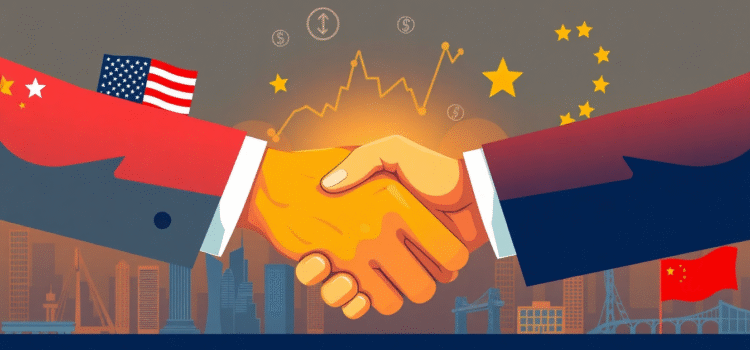
US-China Trade Deadlock Resolved: $200 Billion Deal, Tariffs Reduced by 50%
The resolution of the US-China trade deadlock stands as a formidable breakthrough, underscoring a new chapter in global trade dynamics. After protracted negotiations, the culmination of a $200 billion trade agreement now signals an epoch of enhanced economic prospects and bilateral cooperation between the two economic giants. This landmark deal heralds a 50% tariff reduction on a comprehensive range of goods, mitigating previous trade imbalances and paving the way for increased commerce. Within this article, a deep dive into the intricacies of these newly formed economic relations shall be explored, offering insights into the future trajectory of international trade.
The Key Aspects of the $200 Billion Trade Agreement
The US-China trade negotiations have ushered in a substantial economic agreement aimed at fostering mutual growth. The following are crucial highlights of the deal:
- Tariff Reduction: A dramatic 50% reduction in tariffs is now applied to a broad spectrum of goods, which previously experienced trade barriers due to prior disputes.
- US Exports to China: The agreement focuses on significantly boosting US exports to China, helping to rebalance trade and open new markets for American businesses.
Impact of Tariffs on Trade
The enactment of this agreement is poised to relieve economic pressures previously borne by both nations’ industries. The impact of tariffs has historically resulted in inflated prices and constrained market accessibility. By alleviating these charges, the US-China trade deal is projected to stimulate a vibrant exchange of goods, rejuvenating both economies.
Global Trade Dynamics and Market Implications
This deal not only resolves trade disputes but also repositions the US and China at the forefront of global commerce. Enhanced US-China economic relations promise to stabilize economic uncertainties and expand investment opportunities. Furthermore, it encourages an invigorated flow of US-China imports and exports, laying the groundwork for trusts and cooperative policy frameworks in future dialogues.
Benefits of the Trade Deal
The agreement’s benefits extend beyond bilateral advantages, cascading into a myriad of positive outcomes:
- Improved Trade Balance: Adjustment of tariffs and increased exports aim to amend historical trade deficits.
- Economic Impact: Relief from previous sanctions offers financial recuperation and innovative pathways for both countries.
- International Relations: The resolution sets a precedent for collaborative international trade negotiations, fostering diplomatic goodwill.
Visualizing the Impact
Concluding Thoughts
In summation, the US-China trade agreement marks a pivotal milestone, heralding a transformative phase in economic partnerships. By prioritizing economic cooperation and reducing trade barriers, it sets a substantial foundation for future growth. Readers are encouraged to engage with this discourse, examining potential impacts within their respective areas.
Sources and References
For readers wishing to explore further details, the following sources have been instrumental in composing this analysis:
- CNBC: Insights on US-China Trade Deal
- Wall Street Journal: Economic Analysis
- Financial Times: US-China Trade Relations 2023
FAQ
What is the US-China trade agreement?
The US-China trade agreement is a bilateral economic deal aimed at reducing tariffs by 50% and increasing US exports to China, resolving previous trade disputes.
How much is the $200 billion trade deal worth?
The deal is valued at $200 billion and covers a range of goods and services exchanged between the US and China.
What is the economic impact of the US-China deal?
The agreement is expected to alleviate tariffs’ economic burdens, boost trade balances, and enhance international trade dynamics.
How does the deal influence US-China trade relations in 2023?
It establishes a foundational partnership, facilitating cooperative trade relations and setting a positive precedent for future negotiations.
What benefits does the trade deal provide?
The deal reduces trade barriers, supports economic growth, improves trade balances, and strengthens international relations.
What are the trade policy changes post-agreement?
The agreement involves reducing tariffs and enhancing market access, thereby promoting bilateral economic cooperation.
Comments