






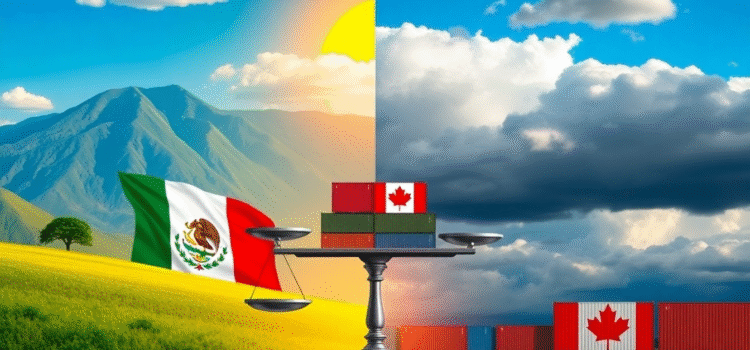
Trump Tariff Policy Shifts: Mexico Benefits, Canada Faces Hike
In a dramatic shift that has sent ripples across North American trade corridors, former President Donald Trump recently announced a notable adjustment in trade tariffs. The Trump tariff policy now includes the waiver of tariffs for Mexico, effectively reducing trade barriers on Mexican imports. Conversely, Canada faces a substantial increase in tariffs, now at 25% on various goods. What does this mean for the future of North American trade? In this article, l delve into the complexities and potential ramifications of these significant economic strategies.
Understanding the Mexico Tariff Waiver
The decision to implement a tariff waiver for Mexico marks a significant departure from previous US-Mexico trade relations. By removing tariffs, the Trump administration aims to bolster economic ties and stimulate the flow of goods across the southern border, marking a successful chapter in Mexico trade negotiation success.
Some key highlights include:
- Reduced costs for Mexican exporters.
- Increased competitiveness of Mexican goods in the US market.
- Potential growth in sectors like automotive and electronics.
Canada Tariff Increase: A Closer Look
On the northern front, the decision to increase tariffs on Canadian imports to 25% represents a crucial point of contention. This Canada tariff hike in 2023 is seen as an aggressive move that could strain US-Canada trade policy shifts, with various sectors such as agriculture and automobile being hit hard.
The implications of such a move include:
- Increased costs for Canadian exporters.
- Potential retaliation impacting US exports to Canada.
- Challenges for Canadian industries reliant on exports to the US.
Economic Impact and Trade Dynamics
This strategic realignment is a pivotal aspect of Trump administration trade strategy, aiming to redefine North American trade dynamics.
The economic impact of increased tariffs on Canadian and Mexican goods must be considered against the backdrop of broader trade policy with Mexico and Canada:
- North America may face shifts in supply chain operations.
- Potential disruptions to the NAFTA agreements framework.
- Long-term adjustments required by Canadian and Mexican industries to navigate new trade barriers.
Visual Representation
Conclusion: Navigating Turbulent Trade Waters
As the landscape of North American trade shifts with the Trump trade decisions, businesses and policymakers alike must stay vigilant. The tariff waiver for Mexico could propel new opportunities, while the Canada tariff increase demands strategic adaptations. Readers are encouraged to engage with this evolving narrative by commenting below on how these changes might affect their industries.
Sources
For further reading, please visit the following sources:
FAQ
What are the recent changes in Trump tariff policy?
The Trump tariff policy changes involve waiving tariffs for Mexico and increasing tariffs on Canadian imports to 25%.
How will the Mexico tariff waiver affect North American trade?
The waiver is expected to boost Mexican exports due to reduced trade barriers, benefiting sectors like automotive and electronics.
What is the impact of the Canada tariff increase 2023?
The increased tariffs could lead to higher costs for Canadian exporters and potential trade retaliation impacting US exports.
Will these tariff changes affect NAFTA agreements?
Yes, the changes could disrupt NAFTA agreements, requiring long-term adjustments in North American supply chains and trade dynamics.
Comments