






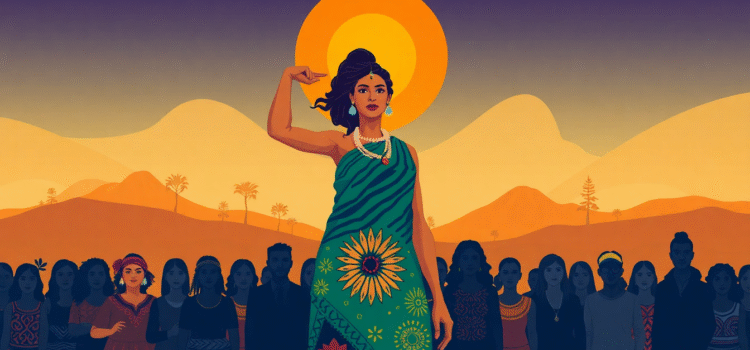
Lidia Thorpe Declines Greens Rejoining Amid Record Indigenous Turnout
Introduction
The Australian political landscape received a seismic shift recently as Lidia Thorpe, an influential Indigenous leader, rejected offers to rejoin the Greens party. This decision comes on the heels of a historic 68% turnout of Indigenous voters. Such participation marks an unprecedented level of political engagement among Indigenous communities, reflecting a potent voice and increased influence in national matters. Lidia Thorpe’s rejection of the Greens underscores potential strategic or ideological rifts, signifying complexities within the party’s policies toward Indigenous representation.
Examining Lidia Thorpe’s Independent Stance
Lidia Thorpe’s independent stance is emblematic of a broader movement among Aboriginal leaders striving for authentic representation. While her decision to remain independent may seem abrupt, it illuminates a pursuit of political integrity and accountability to Indigenous communities, possibly suggesting criticism of the stringency within the Greens’ Indigenous policies.
Record-Breaking Indigenous Voter Turnout
The recent turnout of Indigenous voters in Australia represents a monumental development in Aboriginal perspectives in politics. Analysts describe this record-breaking Indigenous vote as an indicator of shifting voting trends among Indigenous Australians. This surge in political participation may lead to greater Indigenous representation in parliament, influencing the political accountability of Indigenous rights in the nation.
- Highlight on indigenous voting: A 68% turnout is an unmatched milestone.
- Engagement implications: Stronger influence on policy and legislative agendas.
- Potential growth: Indicates increasing Indigenous involvement in politics.
The Australian Greens Party’s Indigenous Dilemma
The Australian Greens party news surrounding these events has sparked debate over the party’s Indigenous policies. With Lidia Thorpe’s disapproval of rejoining, questions arise regarding a potential decline in Australian Greens membership among Indigenous participants, as further scrutiny is placed on policy execution and cultural inclusivity.
The Future of Indigenous Representation and Policy Influence
As the Australian political climate of 2023 continues to evolve, the influence of Indigenous voters is expected to play a significant role in shaping future legislative and policy directions. This shift is not merely a matter of numbers but of meaningful Aboriginal leadership in Australia aiming to redefine political engagement and inspire transformative societal change.
Conclusion
In conclusion, Lidia Thorpe’s decision to maintain her independence from the Greens, despite an impressive Indigenous voter turnout, heralds a new era in political representation for Indigenous Australians. The implications of this participation may usher in substantive shifts in policy-making and highlight the necessity for more nuanced Indigenous perspectives in politics. Readers are encouraged to share their thoughts on this evolving dynamic and its impact on Australia’s political future.
Comments