






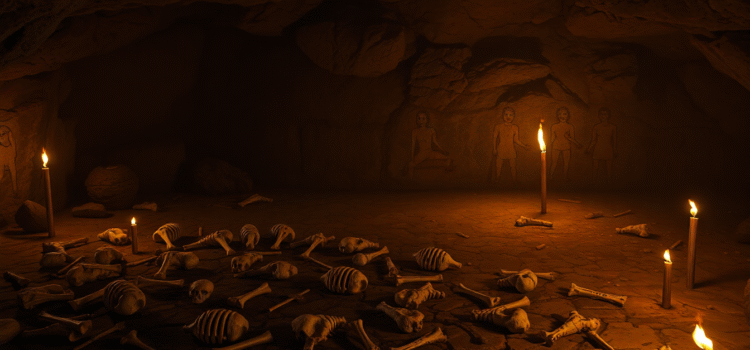
9,000-Year-Old Human Bones Reveal Prehistoric Cannibalistic Ritual Feast
Introduction
What could possibly connect the distant past of 9,000 years ago with present-day curiosity? Recent archaeological discoveries at Gough’s Cave in Somerset, United Kingdom, have unveiled a startling chapter of prehistoric human behavior: the evidence of a cannibalistic ritual feast. This finding offers profound insights into the societal and ritualistic practices of Mesolithic hunter-gatherer societies. Dive into our exploration to uncover what these ancient human remains tell us about our ancestors’ lives and cultural ceremonies.
Unveiling the Evidence of Ancient Cannibalism
At the heart of these discoveries are approximately 2,000 bone fragments, from which 137 distinctly display signs suggestive of cannibalism. These bones belong to at least six individuals, including adults and children, whose remains exhibit cut marks and breakage patterns aligned with consumption by fellow humans. The site’s significance is further highlighted by the presence of engraved human bone pieces, posited by researchers to have been integral to rituals, possibly to honor the deceased.
Illustrating Prehistoric Human Behavior
These archaeological findings are not mere indicators of survival strategies but provide a window into the cultural practices of early humans. The ritualistic feasting uncovered at Gough’s Cave illustrates a complex social structure and spirituality, engaging in actions far beyond basic sustenance needs.
A Detailed Look into the Archaeological Discoveries
- Prehistoric cannibalism: The evidence at the site includes marks that are typically associated with the butchery and processing of human bones.
- Ritualistic human consumption: The engraved bones suggest symbolic meanings aligned with rituals, possibly aimed at venerating the dead.
- Insightful anthropological studies: These findings are crucial in understanding early human societal norms and their complex cultural fabric.
Conclusion
With the archaeological discoveries at Gough’s Cave, the curtain is lifted on a mysterious facet of our prehistoric past. The evidence of cannibalistic rituals enriches our understanding of Mesolithic societies and their intricate social ceremonies. This exploration into ancient human remains compels us to reflect on the diverse cultural practices that shaped humanity’s journey through time. Engage in our comments section to share your thoughts on these fascinating insights into early human history.
Sources
For those interested in exploring the original studies and gaining further insights into these archaeological findings, l recommend visiting the following links:
Frequently Asked Questions
- What is the significance of the engraved human bones found at the site? The engraved bones are believed to have symbolic meanings, possibly serving as part of rituals that honored deceased individuals.
- How many individuals were found to be a part of this cannibalistic ritual? The site analysis suggests that remains of at least six individuals, including adults and children, were involved in the ritual.
- What do these findings reveal about prehistoric human societies? These findings provide insight into Mesolithic hunter-gatherer societies’ social structures, spiritual beliefs, and ritualistic practices.
Comments