Latest post
Epstein’s Ex-Girlfriend Reveals Alleged Close Ties Between Financier and Donald Trump
Emerging Jobs Lack Degree Requirement: LinkedIn Economist Highlights Rapid Market Evolution
Pilot Rescued After Plane Crashes into Ocean Near North Carolina Coast; Coast Guard Responds
Popular Posts
What steps should you take if a family member or friend goes missing in another country?
(694)
Camila Torres
April 5, 2025
Russia steps up offensive across the front line in Ukraine, in apparent defiance of Trump. What does it mean for the war?
(650)
Nadia Al-Masri
April 9, 2025
Japan’s $1.1 Trillion US Treasury Holdings Seen as Strategic Asset in Negotiations
(505)
Nadia Al-Masri
May 2, 2025
Federal Judge Orders Release of Columbia Student Mohsen Mahdawi After Detention
(493)
Nadia Al-Masri
April 30, 2025
Pope Francis makes surprise public appearance after leaving hospital two weeks ago
(491)
Nadia Al-Masri
April 7, 2025
Stay Connected
contact@upnews.today
°C
°F
Mon, Oct 19, 2026
Advertisement
Home
Americans Experience Price Hikes: Receipts Reveal Impact of Trump's Tariffs on Consumer Goods
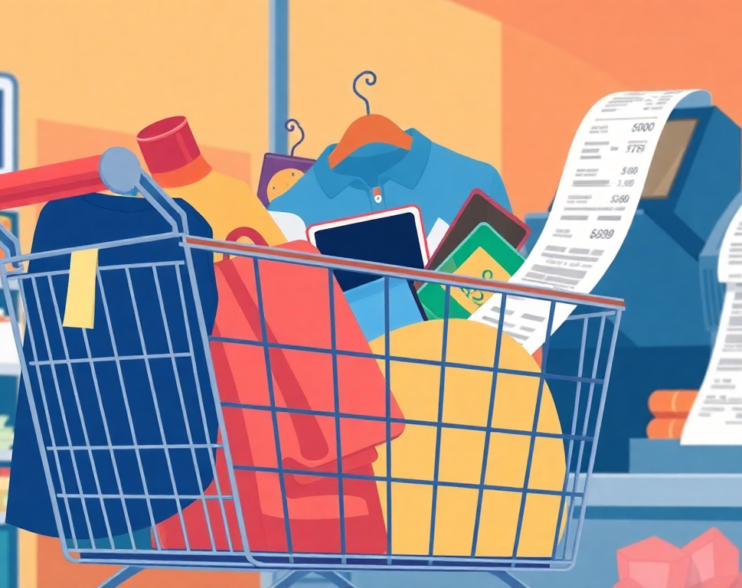
The impact of the Trump administration's trade policies has made its way into the pockets of American consumers, as data reveals the significant effects of tariffs on consumer goods. With tariffs imposed on approximately $350 billion worth of Chinese imports, the average tariffs on these products increased from 3% to an astounding 19.3%. This post delves into the specifics of these tariff-driven price increases, particularly how they have affected consumer goods such as electronics, appliances, and furniture. By understanding the implications of these trade policies, readers can better grasp the broader economic effects and consider future impacts on household expenses.
The Scope of Trump Tariffs: Analysis of Affected Goods
The Trump administration’s tariffs impacted a wide range of consumer goods across the United States. These tariffs primarily targeted key categories such as electronics, appliances, and furniture, which are essential items for American households. Notably, the price of imported washing machines surged by over 12%, significantly affecting consumer spending behavior.
The Rising Costs: Price Increases and Consumer Inflation
The imposition of tariffs has led to a notable increase in consumer goods inflation, with tariffs contributing to a 0.5% overall rise in U.S. consumer prices by 2020. Analysts have observed that these price hikes are not isolated events but part of a broader economic trend affecting everyday items. Consequently, American families experienced an estimated annual cost increase of $831 due to the trade tariffs.
Economic Implications of Trump's Tariffs
Beyond just price hikes, the economic effects of Trump's tariffs have had broader repercussions. These measures have imposed additional financial burdens on American families amidst already fluctuating economic conditions. The trade war effects are visible in the changing U.S. import tariffs landscape, influencing everything from retail prices to grocery costs.
Understanding Tariff Effects on Consumer Goods
For a clearer understanding of how these tariffs have influenced the market, it is essential to consider real-life examples and data analysis. The price increase analysis highlights that tariff-inflated consumer prices have shifted household expenses, showing a direct tariff impact on everyday items that are critical to American shoppers.
Tariff-driven price increases are most notable in electronics and home appliances.
The impact of Trump tariffs on prices is evidenced by consumer spending adjustments.
Tariff influence extends to general lifestyle changes as families navigate rising costs.
Conclusion
In summary, the economic repercussions of Trump's tariffs on consumer goods are evident in the escalating prices and altered family budgets across the nation. As tariff impact studies continue to reveal their long-term effects, American consumers must adapt to these financial shifts. Engaging in discussions regarding the trade policy effects on prices and exploring solutions is crucial for navigating future economic landscapes. We encourage readers to share their thoughts and experiences related to these price hikes from trade policies and engage in the comments section below.
Frequently Asked Questions (FAQ)
What goods were most affected by Trump's tariffs?
Consumer goods such as electronics, appliances, and furniture were significantly impacted, with noticeable price increases.
How much did the tariffs raise consumer prices?
By 2020, tariffs led to a 0.5% increase in overall U.S. consumer prices, contributing to a broader trend of inflation.
What was the annual cost increase for households due to these tariffs?
Households faced an estimated annual cost increase of $831, attributed directly to the import tariffs.
How do tariffs affect the overall economy?
Tariffs can lead to increased prices, impacting consumer spending, and contributing to inflation, ultimately affecting economic stability.
Leisure
Americans Experience Price Hikes: Receipts Reveal Impact of Trump's Tariffs on Consumer Goods
The impact of the Trump administration's trade policies has made its way into the pockets of American consumers, as data reveals the significant effects of tariffs on consumer goods. With tariffs imposed on approximately $350 billion worth of Chinese imports, the average tariffs on these products increased from 3% to an astounding 19.3%. This post delves into the specifics of these tariff-driven price increases, particularly how they have affected consumer goods such as electronics, appliances, and furniture. By understanding the implications of these trade policies, readers can better grasp the broader economic effects and consider future impacts on household expenses.
The Scope of Trump Tariffs: Analysis of Affected Goods
The Trump administration’s tariffs impacted a wide range of consumer goods across the United States. These tariffs primarily targeted key categories such as electronics, appliances, and furniture, which are essential items for American households. Notably, the price of imported washing machines surged by over 12%, significantly affecting consumer spending behavior.
The Rising Costs: Price Increases and Consumer Inflation
The imposition of tariffs has led to a notable increase in consumer goods inflation, with tariffs contributing to a 0.5% overall rise in U.S. consumer prices by 2020. Analysts have observed that these price hikes are not isolated events but part of a broader economic trend affecting everyday items. Consequently, American families experienced an estimated annual cost increase of $831 due to the trade tariffs.
Economic Implications of Trump's Tariffs
Beyond just price hikes, the economic effects of Trump's tariffs have had broader repercussions. These measures have imposed additional financial burdens on American families amidst already fluctuating economic conditions. The trade war effects are visible in the changing U.S. import tariffs landscape, influencing everything from retail prices to grocery costs.
Understanding Tariff Effects on Consumer Goods
For a clearer understanding of how these tariffs have influenced the market, it is essential to consider real-life examples and data analysis. The price increase analysis highlights that tariff-inflated consumer prices have shifted household expenses, showing a direct tariff impact on everyday items that are critical to American shoppers.
Tariff-driven price increases are most notable in electronics and home appliances.
The impact of Trump tariffs on prices is evidenced by consumer spending adjustments.
Tariff influence extends to general lifestyle changes as families navigate rising costs.
Conclusion
In summary, the economic repercussions of Trump's tariffs on consumer goods are evident in the escalating prices and altered family budgets across the nation. As tariff impact studies continue to reveal their long-term effects, American consumers must adapt to these financial shifts. Engaging in discussions regarding the trade policy effects on prices and exploring solutions is crucial for navigating future economic landscapes. We encourage readers to share their thoughts and experiences related to these price hikes from trade policies and engage in the comments section below.
Frequently Asked Questions (FAQ)
What goods were most affected by Trump's tariffs?
Consumer goods such as electronics, appliances, and furniture were significantly impacted, with noticeable price increases.
How much did the tariffs raise consumer prices?
By 2020, tariffs led to a 0.5% increase in overall U.S. consumer prices, contributing to a broader trend of inflation.
What was the annual cost increase for households due to these tariffs?
Households faced an estimated annual cost increase of $831, attributed directly to the import tariffs.
How do tariffs affect the overall economy?
Tariffs can lead to increased prices, impacting consumer spending, and contributing to inflation, ultimately affecting economic stability.
Food
Americans Experience Price Hikes: Receipts Reveal Impact of Trump's Tariffs on Consumer Goods
The impact of the Trump administration's trade policies has made its way into the pockets of American consumers, as data reveals the significant effects of tariffs on consumer goods. With tariffs imposed on approximately $350 billion worth of Chinese imports, the average tariffs on these products increased from 3% to an astounding 19.3%. This post delves into the specifics of these tariff-driven price increases, particularly how they have affected consumer goods such as electronics, appliances, and furniture. By understanding the implications of these trade policies, readers can better grasp the broader economic effects and consider future impacts on household expenses.
The Scope of Trump Tariffs: Analysis of Affected Goods
The Trump administration’s tariffs impacted a wide range of consumer goods across the United States. These tariffs primarily targeted key categories such as electronics, appliances, and furniture, which are essential items for American households. Notably, the price of imported washing machines surged by over 12%, significantly affecting consumer spending behavior.
The Rising Costs: Price Increases and Consumer Inflation
The imposition of tariffs has led to a notable increase in consumer goods inflation, with tariffs contributing to a 0.5% overall rise in U.S. consumer prices by 2020. Analysts have observed that these price hikes are not isolated events but part of a broader economic trend affecting everyday items. Consequently, American families experienced an estimated annual cost increase of $831 due to the trade tariffs.
Economic Implications of Trump's Tariffs
Beyond just price hikes, the economic effects of Trump's tariffs have had broader repercussions. These measures have imposed additional financial burdens on American families amidst already fluctuating economic conditions. The trade war effects are visible in the changing U.S. import tariffs landscape, influencing everything from retail prices to grocery costs.
Understanding Tariff Effects on Consumer Goods
For a clearer understanding of how these tariffs have influenced the market, it is essential to consider real-life examples and data analysis. The price increase analysis highlights that tariff-inflated consumer prices have shifted household expenses, showing a direct tariff impact on everyday items that are critical to American shoppers.
Tariff-driven price increases are most notable in electronics and home appliances.
The impact of Trump tariffs on prices is evidenced by consumer spending adjustments.
Tariff influence extends to general lifestyle changes as families navigate rising costs.
Conclusion
In summary, the economic repercussions of Trump's tariffs on consumer goods are evident in the escalating prices and altered family budgets across the nation. As tariff impact studies continue to reveal their long-term effects, American consumers must adapt to these financial shifts. Engaging in discussions regarding the trade policy effects on prices and exploring solutions is crucial for navigating future economic landscapes. We encourage readers to share their thoughts and experiences related to these price hikes from trade policies and engage in the comments section below.
Frequently Asked Questions (FAQ)
What goods were most affected by Trump's tariffs?
Consumer goods such as electronics, appliances, and furniture were significantly impacted, with noticeable price increases.
How much did the tariffs raise consumer prices?
By 2020, tariffs led to a 0.5% increase in overall U.S. consumer prices, contributing to a broader trend of inflation.
What was the annual cost increase for households due to these tariffs?
Households faced an estimated annual cost increase of $831, attributed directly to the import tariffs.
How do tariffs affect the overall economy?
Tariffs can lead to increased prices, impacting consumer spending, and contributing to inflation, ultimately affecting economic stability.
Lifestyle
Americans Experience Price Hikes: Receipts Reveal Impact of Trump's Tariffs on Consumer Goods
The impact of the Trump administration's trade policies has made its way into the pockets of American consumers, as data reveals the significant effects of tariffs on consumer goods. With tariffs imposed on approximately $350 billion worth of Chinese imports, the average tariffs on these products increased from 3% to an astounding 19.3%. This post delves into the specifics of these tariff-driven price increases, particularly how they have affected consumer goods such as electronics, appliances, and furniture. By understanding the implications of these trade policies, readers can better grasp the broader economic effects and consider future impacts on household expenses.
The Scope of Trump Tariffs: Analysis of Affected Goods
The Trump administration’s tariffs impacted a wide range of consumer goods across the United States. These tariffs primarily targeted key categories such as electronics, appliances, and furniture, which are essential items for American households. Notably, the price of imported washing machines surged by over 12%, significantly affecting consumer spending behavior.
The Rising Costs: Price Increases and Consumer Inflation
The imposition of tariffs has led to a notable increase in consumer goods inflation, with tariffs contributing to a 0.5% overall rise in U.S. consumer prices by 2020. Analysts have observed that these price hikes are not isolated events but part of a broader economic trend affecting everyday items. Consequently, American families experienced an estimated annual cost increase of $831 due to the trade tariffs.
Economic Implications of Trump's Tariffs
Beyond just price hikes, the economic effects of Trump's tariffs have had broader repercussions. These measures have imposed additional financial burdens on American families amidst already fluctuating economic conditions. The trade war effects are visible in the changing U.S. import tariffs landscape, influencing everything from retail prices to grocery costs.
Understanding Tariff Effects on Consumer Goods
For a clearer understanding of how these tariffs have influenced the market, it is essential to consider real-life examples and data analysis. The price increase analysis highlights that tariff-inflated consumer prices have shifted household expenses, showing a direct tariff impact on everyday items that are critical to American shoppers.
Tariff-driven price increases are most notable in electronics and home appliances.
The impact of Trump tariffs on prices is evidenced by consumer spending adjustments.
Tariff influence extends to general lifestyle changes as families navigate rising costs.
Conclusion
In summary, the economic repercussions of Trump's tariffs on consumer goods are evident in the escalating prices and altered family budgets across the nation. As tariff impact studies continue to reveal their long-term effects, American consumers must adapt to these financial shifts. Engaging in discussions regarding the trade policy effects on prices and exploring solutions is crucial for navigating future economic landscapes. We encourage readers to share their thoughts and experiences related to these price hikes from trade policies and engage in the comments section below.
Frequently Asked Questions (FAQ)
What goods were most affected by Trump's tariffs?
Consumer goods such as electronics, appliances, and furniture were significantly impacted, with noticeable price increases.
How much did the tariffs raise consumer prices?
By 2020, tariffs led to a 0.5% increase in overall U.S. consumer prices, contributing to a broader trend of inflation.
What was the annual cost increase for households due to these tariffs?
Households faced an estimated annual cost increase of $831, attributed directly to the import tariffs.
How do tariffs affect the overall economy?
Tariffs can lead to increased prices, impacting consumer spending, and contributing to inflation, ultimately affecting economic stability.
Business
Americans Experience Price Hikes: Receipts Reveal Impact of Trump's Tariffs on Consumer Goods
The impact of the Trump administration's trade policies has made its way into the pockets of American consumers, as data reveals the significant effects of tariffs on consumer goods. With tariffs imposed on approximately $350 billion worth of Chinese imports, the average tariffs on these products increased from 3% to an astounding 19.3%. This post delves into the specifics of these tariff-driven price increases, particularly how they have affected consumer goods such as electronics, appliances, and furniture. By understanding the implications of these trade policies, readers can better grasp the broader economic effects and consider future impacts on household expenses.
The Scope of Trump Tariffs: Analysis of Affected Goods
The Trump administration’s tariffs impacted a wide range of consumer goods across the United States. These tariffs primarily targeted key categories such as electronics, appliances, and furniture, which are essential items for American households. Notably, the price of imported washing machines surged by over 12%, significantly affecting consumer spending behavior.
The Rising Costs: Price Increases and Consumer Inflation
The imposition of tariffs has led to a notable increase in consumer goods inflation, with tariffs contributing to a 0.5% overall rise in U.S. consumer prices by 2020. Analysts have observed that these price hikes are not isolated events but part of a broader economic trend affecting everyday items. Consequently, American families experienced an estimated annual cost increase of $831 due to the trade tariffs.
Economic Implications of Trump's Tariffs
Beyond just price hikes, the economic effects of Trump's tariffs have had broader repercussions. These measures have imposed additional financial burdens on American families amidst already fluctuating economic conditions. The trade war effects are visible in the changing U.S. import tariffs landscape, influencing everything from retail prices to grocery costs.
Understanding Tariff Effects on Consumer Goods
For a clearer understanding of how these tariffs have influenced the market, it is essential to consider real-life examples and data analysis. The price increase analysis highlights that tariff-inflated consumer prices have shifted household expenses, showing a direct tariff impact on everyday items that are critical to American shoppers.
Tariff-driven price increases are most notable in electronics and home appliances.
The impact of Trump tariffs on prices is evidenced by consumer spending adjustments.
Tariff influence extends to general lifestyle changes as families navigate rising costs.
Conclusion
In summary, the economic repercussions of Trump's tariffs on consumer goods are evident in the escalating prices and altered family budgets across the nation. As tariff impact studies continue to reveal their long-term effects, American consumers must adapt to these financial shifts. Engaging in discussions regarding the trade policy effects on prices and exploring solutions is crucial for navigating future economic landscapes. We encourage readers to share their thoughts and experiences related to these price hikes from trade policies and engage in the comments section below.
Frequently Asked Questions (FAQ)
What goods were most affected by Trump's tariffs?
Consumer goods such as electronics, appliances, and furniture were significantly impacted, with noticeable price increases.
How much did the tariffs raise consumer prices?
By 2020, tariffs led to a 0.5% increase in overall U.S. consumer prices, contributing to a broader trend of inflation.
What was the annual cost increase for households due to these tariffs?
Households faced an estimated annual cost increase of $831, attributed directly to the import tariffs.
How do tariffs affect the overall economy?
Tariffs can lead to increased prices, impacting consumer spending, and contributing to inflation, ultimately affecting economic stability.
World
Americans Experience Price Hikes: Receipts Reveal Impact of Trump's Tariffs on Consumer Goods
The impact of the Trump administration's trade policies has made its way into the pockets of American consumers, as data reveals the significant effects of tariffs on consumer goods. With tariffs imposed on approximately $350 billion worth of Chinese imports, the average tariffs on these products increased from 3% to an astounding 19.3%. This post delves into the specifics of these tariff-driven price increases, particularly how they have affected consumer goods such as electronics, appliances, and furniture. By understanding the implications of these trade policies, readers can better grasp the broader economic effects and consider future impacts on household expenses.
The Scope of Trump Tariffs: Analysis of Affected Goods
The Trump administration’s tariffs impacted a wide range of consumer goods across the United States. These tariffs primarily targeted key categories such as electronics, appliances, and furniture, which are essential items for American households. Notably, the price of imported washing machines surged by over 12%, significantly affecting consumer spending behavior.
The Rising Costs: Price Increases and Consumer Inflation
The imposition of tariffs has led to a notable increase in consumer goods inflation, with tariffs contributing to a 0.5% overall rise in U.S. consumer prices by 2020. Analysts have observed that these price hikes are not isolated events but part of a broader economic trend affecting everyday items. Consequently, American families experienced an estimated annual cost increase of $831 due to the trade tariffs.
Economic Implications of Trump's Tariffs
Beyond just price hikes, the economic effects of Trump's tariffs have had broader repercussions. These measures have imposed additional financial burdens on American families amidst already fluctuating economic conditions. The trade war effects are visible in the changing U.S. import tariffs landscape, influencing everything from retail prices to grocery costs.
Understanding Tariff Effects on Consumer Goods
For a clearer understanding of how these tariffs have influenced the market, it is essential to consider real-life examples and data analysis. The price increase analysis highlights that tariff-inflated consumer prices have shifted household expenses, showing a direct tariff impact on everyday items that are critical to American shoppers.
Tariff-driven price increases are most notable in electronics and home appliances.
The impact of Trump tariffs on prices is evidenced by consumer spending adjustments.
Tariff influence extends to general lifestyle changes as families navigate rising costs.
Conclusion
In summary, the economic repercussions of Trump's tariffs on consumer goods are evident in the escalating prices and altered family budgets across the nation. As tariff impact studies continue to reveal their long-term effects, American consumers must adapt to these financial shifts. Engaging in discussions regarding the trade policy effects on prices and exploring solutions is crucial for navigating future economic landscapes. We encourage readers to share their thoughts and experiences related to these price hikes from trade policies and engage in the comments section below.
Frequently Asked Questions (FAQ)
What goods were most affected by Trump's tariffs?
Consumer goods such as electronics, appliances, and furniture were significantly impacted, with noticeable price increases.
How much did the tariffs raise consumer prices?
By 2020, tariffs led to a 0.5% increase in overall U.S. consumer prices, contributing to a broader trend of inflation.
What was the annual cost increase for households due to these tariffs?
Households faced an estimated annual cost increase of $831, attributed directly to the import tariffs.
How do tariffs affect the overall economy?
Tariffs can lead to increased prices, impacting consumer spending, and contributing to inflation, ultimately affecting economic stability.
Gaming
Americans Experience Price Hikes: Receipts Reveal Impact of Trump's Tariffs on Consumer Goods
The impact of the Trump administration's trade policies has made its way into the pockets of American consumers, as data reveals the significant effects of tariffs on consumer goods. With tariffs imposed on approximately $350 billion worth of Chinese imports, the average tariffs on these products increased from 3% to an astounding 19.3%. This post delves into the specifics of these tariff-driven price increases, particularly how they have affected consumer goods such as electronics, appliances, and furniture. By understanding the implications of these trade policies, readers can better grasp the broader economic effects and consider future impacts on household expenses.
The Scope of Trump Tariffs: Analysis of Affected Goods
The Trump administration’s tariffs impacted a wide range of consumer goods across the United States. These tariffs primarily targeted key categories such as electronics, appliances, and furniture, which are essential items for American households. Notably, the price of imported washing machines surged by over 12%, significantly affecting consumer spending behavior.
The Rising Costs: Price Increases and Consumer Inflation
The imposition of tariffs has led to a notable increase in consumer goods inflation, with tariffs contributing to a 0.5% overall rise in U.S. consumer prices by 2020. Analysts have observed that these price hikes are not isolated events but part of a broader economic trend affecting everyday items. Consequently, American families experienced an estimated annual cost increase of $831 due to the trade tariffs.
Economic Implications of Trump's Tariffs
Beyond just price hikes, the economic effects of Trump's tariffs have had broader repercussions. These measures have imposed additional financial burdens on American families amidst already fluctuating economic conditions. The trade war effects are visible in the changing U.S. import tariffs landscape, influencing everything from retail prices to grocery costs.
Understanding Tariff Effects on Consumer Goods
For a clearer understanding of how these tariffs have influenced the market, it is essential to consider real-life examples and data analysis. The price increase analysis highlights that tariff-inflated consumer prices have shifted household expenses, showing a direct tariff impact on everyday items that are critical to American shoppers.
Tariff-driven price increases are most notable in electronics and home appliances.
The impact of Trump tariffs on prices is evidenced by consumer spending adjustments.
Tariff influence extends to general lifestyle changes as families navigate rising costs.
Conclusion
In summary, the economic repercussions of Trump's tariffs on consumer goods are evident in the escalating prices and altered family budgets across the nation. As tariff impact studies continue to reveal their long-term effects, American consumers must adapt to these financial shifts. Engaging in discussions regarding the trade policy effects on prices and exploring solutions is crucial for navigating future economic landscapes. We encourage readers to share their thoughts and experiences related to these price hikes from trade policies and engage in the comments section below.
Frequently Asked Questions (FAQ)
What goods were most affected by Trump's tariffs?
Consumer goods such as electronics, appliances, and furniture were significantly impacted, with noticeable price increases.
How much did the tariffs raise consumer prices?
By 2020, tariffs led to a 0.5% increase in overall U.S. consumer prices, contributing to a broader trend of inflation.
What was the annual cost increase for households due to these tariffs?
Households faced an estimated annual cost increase of $831, attributed directly to the import tariffs.
How do tariffs affect the overall economy?
Tariffs can lead to increased prices, impacting consumer spending, and contributing to inflation, ultimately affecting economic stability.
Science
Americans Experience Price Hikes: Receipts Reveal Impact of Trump's Tariffs on Consumer Goods
The impact of the Trump administration's trade policies has made its way into the pockets of American consumers, as data reveals the significant effects of tariffs on consumer goods. With tariffs imposed on approximately $350 billion worth of Chinese imports, the average tariffs on these products increased from 3% to an astounding 19.3%. This post delves into the specifics of these tariff-driven price increases, particularly how they have affected consumer goods such as electronics, appliances, and furniture. By understanding the implications of these trade policies, readers can better grasp the broader economic effects and consider future impacts on household expenses.
The Scope of Trump Tariffs: Analysis of Affected Goods
The Trump administration’s tariffs impacted a wide range of consumer goods across the United States. These tariffs primarily targeted key categories such as electronics, appliances, and furniture, which are essential items for American households. Notably, the price of imported washing machines surged by over 12%, significantly affecting consumer spending behavior.
The Rising Costs: Price Increases and Consumer Inflation
The imposition of tariffs has led to a notable increase in consumer goods inflation, with tariffs contributing to a 0.5% overall rise in U.S. consumer prices by 2020. Analysts have observed that these price hikes are not isolated events but part of a broader economic trend affecting everyday items. Consequently, American families experienced an estimated annual cost increase of $831 due to the trade tariffs.
Economic Implications of Trump's Tariffs
Beyond just price hikes, the economic effects of Trump's tariffs have had broader repercussions. These measures have imposed additional financial burdens on American families amidst already fluctuating economic conditions. The trade war effects are visible in the changing U.S. import tariffs landscape, influencing everything from retail prices to grocery costs.
Understanding Tariff Effects on Consumer Goods
For a clearer understanding of how these tariffs have influenced the market, it is essential to consider real-life examples and data analysis. The price increase analysis highlights that tariff-inflated consumer prices have shifted household expenses, showing a direct tariff impact on everyday items that are critical to American shoppers.
Tariff-driven price increases are most notable in electronics and home appliances.
The impact of Trump tariffs on prices is evidenced by consumer spending adjustments.
Tariff influence extends to general lifestyle changes as families navigate rising costs.
Conclusion
In summary, the economic repercussions of Trump's tariffs on consumer goods are evident in the escalating prices and altered family budgets across the nation. As tariff impact studies continue to reveal their long-term effects, American consumers must adapt to these financial shifts. Engaging in discussions regarding the trade policy effects on prices and exploring solutions is crucial for navigating future economic landscapes. We encourage readers to share their thoughts and experiences related to these price hikes from trade policies and engage in the comments section below.
Frequently Asked Questions (FAQ)
What goods were most affected by Trump's tariffs?
Consumer goods such as electronics, appliances, and furniture were significantly impacted, with noticeable price increases.
How much did the tariffs raise consumer prices?
By 2020, tariffs led to a 0.5% increase in overall U.S. consumer prices, contributing to a broader trend of inflation.
What was the annual cost increase for households due to these tariffs?
Households faced an estimated annual cost increase of $831, attributed directly to the import tariffs.
How do tariffs affect the overall economy?
Tariffs can lead to increased prices, impacting consumer spending, and contributing to inflation, ultimately affecting economic stability.
Tech
Americans Experience Price Hikes: Receipts Reveal Impact of Trump's Tariffs on Consumer Goods
The impact of the Trump administration's trade policies has made its way into the pockets of American consumers, as data reveals the significant effects of tariffs on consumer goods. With tariffs imposed on approximately $350 billion worth of Chinese imports, the average tariffs on these products increased from 3% to an astounding 19.3%. This post delves into the specifics of these tariff-driven price increases, particularly how they have affected consumer goods such as electronics, appliances, and furniture. By understanding the implications of these trade policies, readers can better grasp the broader economic effects and consider future impacts on household expenses.
The Scope of Trump Tariffs: Analysis of Affected Goods
The Trump administration’s tariffs impacted a wide range of consumer goods across the United States. These tariffs primarily targeted key categories such as electronics, appliances, and furniture, which are essential items for American households. Notably, the price of imported washing machines surged by over 12%, significantly affecting consumer spending behavior.
The Rising Costs: Price Increases and Consumer Inflation
The imposition of tariffs has led to a notable increase in consumer goods inflation, with tariffs contributing to a 0.5% overall rise in U.S. consumer prices by 2020. Analysts have observed that these price hikes are not isolated events but part of a broader economic trend affecting everyday items. Consequently, American families experienced an estimated annual cost increase of $831 due to the trade tariffs.
Economic Implications of Trump's Tariffs
Beyond just price hikes, the economic effects of Trump's tariffs have had broader repercussions. These measures have imposed additional financial burdens on American families amidst already fluctuating economic conditions. The trade war effects are visible in the changing U.S. import tariffs landscape, influencing everything from retail prices to grocery costs.
Understanding Tariff Effects on Consumer Goods
For a clearer understanding of how these tariffs have influenced the market, it is essential to consider real-life examples and data analysis. The price increase analysis highlights that tariff-inflated consumer prices have shifted household expenses, showing a direct tariff impact on everyday items that are critical to American shoppers.
Tariff-driven price increases are most notable in electronics and home appliances.
The impact of Trump tariffs on prices is evidenced by consumer spending adjustments.
Tariff influence extends to general lifestyle changes as families navigate rising costs.
Conclusion
In summary, the economic repercussions of Trump's tariffs on consumer goods are evident in the escalating prices and altered family budgets across the nation. As tariff impact studies continue to reveal their long-term effects, American consumers must adapt to these financial shifts. Engaging in discussions regarding the trade policy effects on prices and exploring solutions is crucial for navigating future economic landscapes. We encourage readers to share their thoughts and experiences related to these price hikes from trade policies and engage in the comments section below.
Frequently Asked Questions (FAQ)
What goods were most affected by Trump's tariffs?
Consumer goods such as electronics, appliances, and furniture were significantly impacted, with noticeable price increases.
How much did the tariffs raise consumer prices?
By 2020, tariffs led to a 0.5% increase in overall U.S. consumer prices, contributing to a broader trend of inflation.
What was the annual cost increase for households due to these tariffs?
Households faced an estimated annual cost increase of $831, attributed directly to the import tariffs.
How do tariffs affect the overall economy?
Tariffs can lead to increased prices, impacting consumer spending, and contributing to inflation, ultimately affecting economic stability.
About Us
Americans Experience Price Hikes: Receipts Reveal Impact of Trump's Tariffs on Consumer Goods
The impact of the Trump administration's trade policies has made its way into the pockets of American consumers, as data reveals the significant effects of tariffs on consumer goods. With tariffs imposed on approximately $350 billion worth of Chinese imports, the average tariffs on these products increased from 3% to an astounding 19.3%. This post delves into the specifics of these tariff-driven price increases, particularly how they have affected consumer goods such as electronics, appliances, and furniture. By understanding the implications of these trade policies, readers can better grasp the broader economic effects and consider future impacts on household expenses.
The Scope of Trump Tariffs: Analysis of Affected Goods
The Trump administration’s tariffs impacted a wide range of consumer goods across the United States. These tariffs primarily targeted key categories such as electronics, appliances, and furniture, which are essential items for American households. Notably, the price of imported washing machines surged by over 12%, significantly affecting consumer spending behavior.
The Rising Costs: Price Increases and Consumer Inflation
The imposition of tariffs has led to a notable increase in consumer goods inflation, with tariffs contributing to a 0.5% overall rise in U.S. consumer prices by 2020. Analysts have observed that these price hikes are not isolated events but part of a broader economic trend affecting everyday items. Consequently, American families experienced an estimated annual cost increase of $831 due to the trade tariffs.
Economic Implications of Trump's Tariffs
Beyond just price hikes, the economic effects of Trump's tariffs have had broader repercussions. These measures have imposed additional financial burdens on American families amidst already fluctuating economic conditions. The trade war effects are visible in the changing U.S. import tariffs landscape, influencing everything from retail prices to grocery costs.
Understanding Tariff Effects on Consumer Goods
For a clearer understanding of how these tariffs have influenced the market, it is essential to consider real-life examples and data analysis. The price increase analysis highlights that tariff-inflated consumer prices have shifted household expenses, showing a direct tariff impact on everyday items that are critical to American shoppers.
Tariff-driven price increases are most notable in electronics and home appliances.
The impact of Trump tariffs on prices is evidenced by consumer spending adjustments.
Tariff influence extends to general lifestyle changes as families navigate rising costs.
Conclusion
In summary, the economic repercussions of Trump's tariffs on consumer goods are evident in the escalating prices and altered family budgets across the nation. As tariff impact studies continue to reveal their long-term effects, American consumers must adapt to these financial shifts. Engaging in discussions regarding the trade policy effects on prices and exploring solutions is crucial for navigating future economic landscapes. We encourage readers to share their thoughts and experiences related to these price hikes from trade policies and engage in the comments section below.
Frequently Asked Questions (FAQ)
What goods were most affected by Trump's tariffs?
Consumer goods such as electronics, appliances, and furniture were significantly impacted, with noticeable price increases.
How much did the tariffs raise consumer prices?
By 2020, tariffs led to a 0.5% increase in overall U.S. consumer prices, contributing to a broader trend of inflation.
What was the annual cost increase for households due to these tariffs?
Households faced an estimated annual cost increase of $831, attributed directly to the import tariffs.
How do tariffs affect the overall economy?
Tariffs can lead to increased prices, impacting consumer spending, and contributing to inflation, ultimately affecting economic stability.
Our team
Contact Us
Subscribe Newsletter
Opt-out preferences
Americans Experience Price Hikes: Receipts Reveal Impact of Trump's Tariffs on Consumer Goods
The impact of the Trump administration's trade policies has made its way into the pockets of American consumers, as data reveals the significant effects of tariffs on consumer goods. With tariffs imposed on approximately $350 billion worth of Chinese imports, the average tariffs on these products increased from 3% to an astounding 19.3%. This post delves into the specifics of these tariff-driven price increases, particularly how they have affected consumer goods such as electronics, appliances, and furniture. By understanding the implications of these trade policies, readers can better grasp the broader economic effects and consider future impacts on household expenses.
The Scope of Trump Tariffs: Analysis of Affected Goods
The Trump administration’s tariffs impacted a wide range of consumer goods across the United States. These tariffs primarily targeted key categories such as electronics, appliances, and furniture, which are essential items for American households. Notably, the price of imported washing machines surged by over 12%, significantly affecting consumer spending behavior.
The Rising Costs: Price Increases and Consumer Inflation
The imposition of tariffs has led to a notable increase in consumer goods inflation, with tariffs contributing to a 0.5% overall rise in U.S. consumer prices by 2020. Analysts have observed that these price hikes are not isolated events but part of a broader economic trend affecting everyday items. Consequently, American families experienced an estimated annual cost increase of $831 due to the trade tariffs.
Economic Implications of Trump's Tariffs
Beyond just price hikes, the economic effects of Trump's tariffs have had broader repercussions. These measures have imposed additional financial burdens on American families amidst already fluctuating economic conditions. The trade war effects are visible in the changing U.S. import tariffs landscape, influencing everything from retail prices to grocery costs.
Understanding Tariff Effects on Consumer Goods
For a clearer understanding of how these tariffs have influenced the market, it is essential to consider real-life examples and data analysis. The price increase analysis highlights that tariff-inflated consumer prices have shifted household expenses, showing a direct tariff impact on everyday items that are critical to American shoppers.
Tariff-driven price increases are most notable in electronics and home appliances.
The impact of Trump tariffs on prices is evidenced by consumer spending adjustments.
Tariff influence extends to general lifestyle changes as families navigate rising costs.
Conclusion
In summary, the economic repercussions of Trump's tariffs on consumer goods are evident in the escalating prices and altered family budgets across the nation. As tariff impact studies continue to reveal their long-term effects, American consumers must adapt to these financial shifts. Engaging in discussions regarding the trade policy effects on prices and exploring solutions is crucial for navigating future economic landscapes. We encourage readers to share their thoughts and experiences related to these price hikes from trade policies and engage in the comments section below.
Frequently Asked Questions (FAQ)
What goods were most affected by Trump's tariffs?
Consumer goods such as electronics, appliances, and furniture were significantly impacted, with noticeable price increases.
How much did the tariffs raise consumer prices?
By 2020, tariffs led to a 0.5% increase in overall U.S. consumer prices, contributing to a broader trend of inflation.
What was the annual cost increase for households due to these tariffs?
Households faced an estimated annual cost increase of $831, attributed directly to the import tariffs.
How do tariffs affect the overall economy?
Tariffs can lead to increased prices, impacting consumer spending, and contributing to inflation, ultimately affecting economic stability.
Category: International
Home
International
Harper Maxine
May 8, 2025
4 min read
136
Americans Experience Price Hikes: Receipts Reveal Impact of Trump’s Tariffs on Consumer Goods
Nadia Al-Masri
May 8, 2025
5 min read
139
Historic First: Cardinal Robert Prevost Named Pope Leo XIV, First American Pontiff
Harper Maxine
May 8, 2025
5 min read
121
Conflict Expert Warns: Ignoring India-Pakistan Tensions Risks Nuclear Conflict, Affecting 1.5 Billion Lives
Harper Maxine
May 8, 2025
4 min read
125
Former CDC Staff Highlight Urgency: Emerging Health Threats and Erosion of Public Trust
Nadia Al-Masri
May 7, 2025
4 min read
129
Biden Criticizes Trump’s Approach to Putin, Highlights National Security Risks and Foreign Policy Concerns
Nadia Al-Masri
May 7, 2025
4 min read
125
Papal Conclave Begins: Over 100 Cardinals to Decide Next Pope in Secretive Process
Nadia Al-Masri
May 7, 2025
4 min read
119
Cardinals Convene for Conclave Amid Global Challenges to Select Pope Francis’ Successor
Nadia Al-Masri
May 7, 2025
5 min read
126
Casualties Rise as Indian-Pakistani Border Conflict Intensifies Leaving Thousands Displaced
Zhang Eli
May 7, 2025
5 min read
156
Analyzing Windows 12: Potential Strategic Changes and Market Impact Post-Windows 11 Adjustments
Nadia Al-Masri
May 7, 2025
5 min read
128
David Muir Reveals Exclusive Vatican Images as 266 Cardinals Gather for Papal Conclave
Prev.
1
2
3
4
…
9
Next
Popular Post
What steps should you take if a family member or friend goes missing in another country?
(694)
Camila Torres
April 5, 2025
Russia steps up offensive across the front line in Ukraine, in apparent defiance of Trump. What does it mean for the war?
(650)
Nadia Al-Masri
April 9, 2025
Japan’s $1.1 Trillion US Treasury Holdings Seen as Strategic Asset in Negotiations
(505)
Nadia Al-Masri
May 2, 2025
Federal Judge Orders Release of Columbia Student Mohsen Mahdawi After Detention
(493)
Nadia Al-Masri
April 30, 2025
Pope Francis makes surprise public appearance after leaving hospital two weeks ago
(491)
Nadia Al-Masri
April 7, 2025
Newsletter
Weather
Dhaka
broken clouds
25
℃
humidity:
73%
wind:
2.06 km/h
30
℃
Tue
31
℃
Wed
31
℃
Thu
32
℃
Fri
31
℃
Sat
32
℃
Sun
34
℃
Mon
Advertisement